

Imperial cities, desert horizons, and journeys shaped by intention.
Welcome to Morocco. Your journey begins here.


Private journeys designed with depth and intention
Morocco is a country shaped by crossroads. Africa, the Middle East, and Europe converge across imperial cities, mountain ranges, and desert landscapes, creating a travel experience defined by contrast, refinement, and cultural continuity. Tradition and daily life remain deeply intertwined, offering depth beyond surface impression. Nature Horizons designs and operates luxury tailor-made journeys in Morocco, offering private travel experiences shaped by cultural understanding, local expertise, and seamless execution. Working directly on the ground with trusted teams, journeys unfold with discretion, balance, and a refined sense of rhythm. Every itinerary is custom-built and privately guided, allowing travelers to experience Morocco with perspective, cultural awareness, and a genuine connection to place.
What to see and do in Morocco
The regions and landscapes that shape a journey through Morocco
Marrakech & the Atlas Foothills
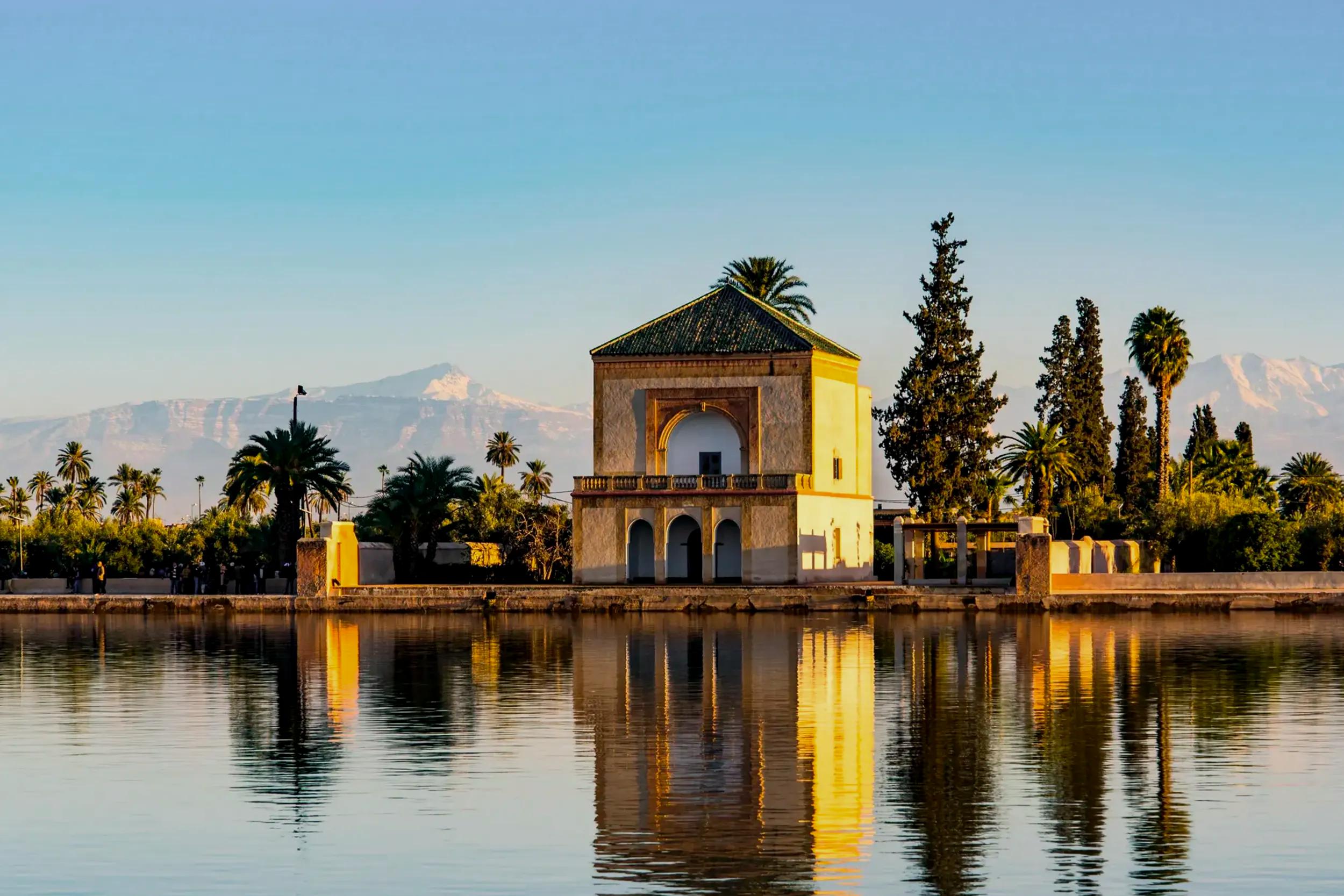
Marrakech stands as one of North Africa’s most iconic urban landscapes a city defined by ochre walls, intricate craftsmanship, and centuries of trans-Saharan exchange. Within its medina, narrow alleyways lead to riads hidden behind carved wooden doors, artisan workshops producing zellige tile and handwoven textiles, and architectural landmarks such as the Bahia Palace and the Koutoubia Mosque. Jemaa el-Fnaa square anchors the city’s rhythm, shifting from daylight markets to evening gatherings of storytellers and musicians. Yet beyond its energy, Marrakech also offers quiet refinement in its gardens, from the historic Menara and Majorelle to contemporary interpretations of Andalusian design. Journeys through Marrakech often extend into the Atlas foothills, where olive groves and terraced valleys create a marked contrast to the density of the medina. Here, traditional Berber villages remain embedded within mountain slopes, offering perspective and spatial relief just beyond the city walls.

Fes & the Imperial North
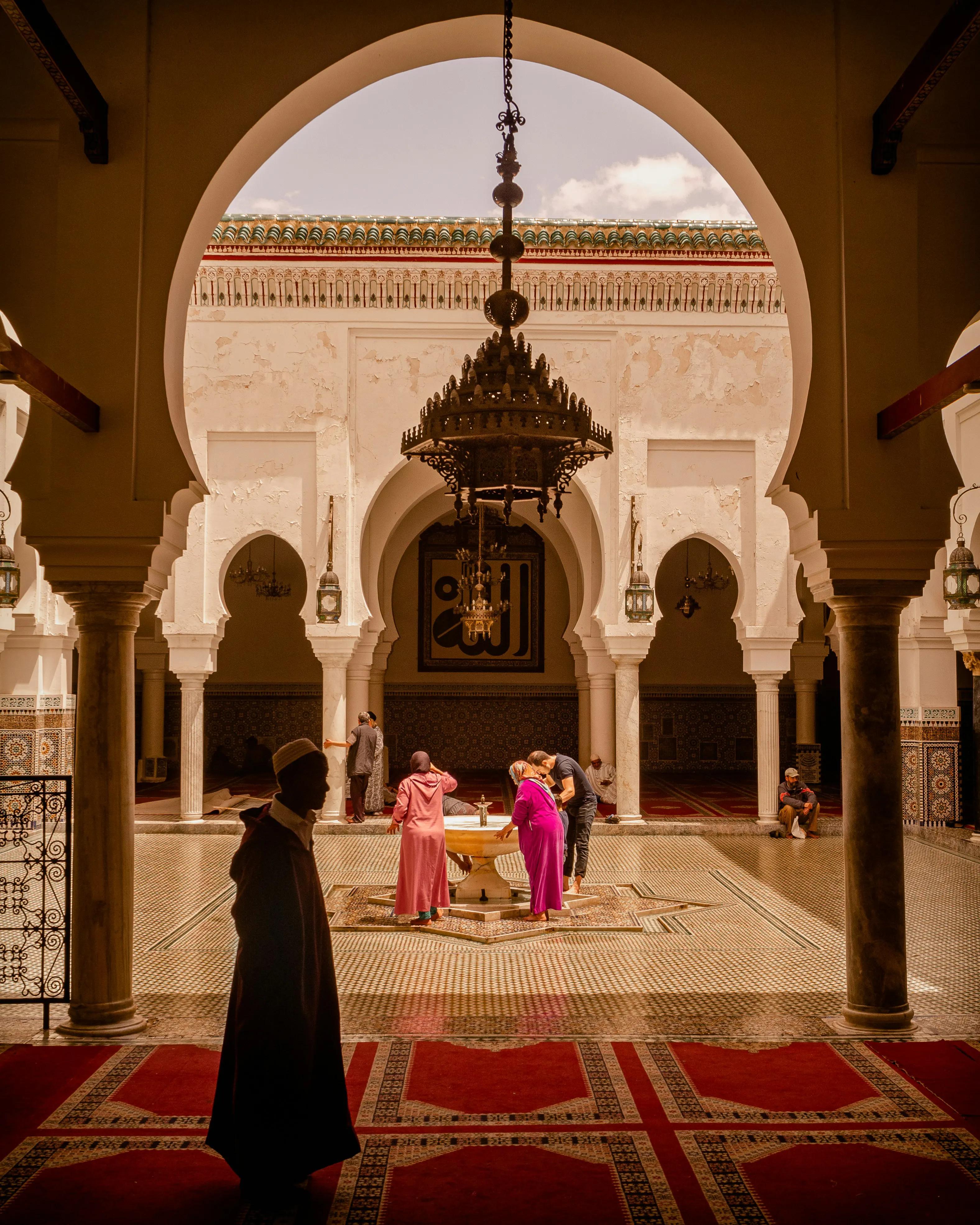
Fes represents Morocco’s intellectual and spiritual center, home to one of the world’s oldest continuously operating universities and a medina that remains largely unchanged in structure for centuries. Fes el-Bali, a UNESCO World Heritage Site, is a dense network of narrow lanes, madrasas, tanneries, and artisan quarters where daily life unfolds within medieval walls. The Al Quaraouiyine Mosque and University reflects the city’s scholarly legacy, while the Bou Inania Madrasa and Nejjarine Fountain demonstrate the intricacy of Marinid-era architecture. Unlike cities shaped by tourism alone, Fes remains a living center of religious study and traditional craft. Journeys through Fes emphasize immersion and understanding, offering insight into Morocco’s spiritual traditions, craftsmanship techniques, and the continuity of knowledge passed through generations.
The High Atlas & Berber Landscapes
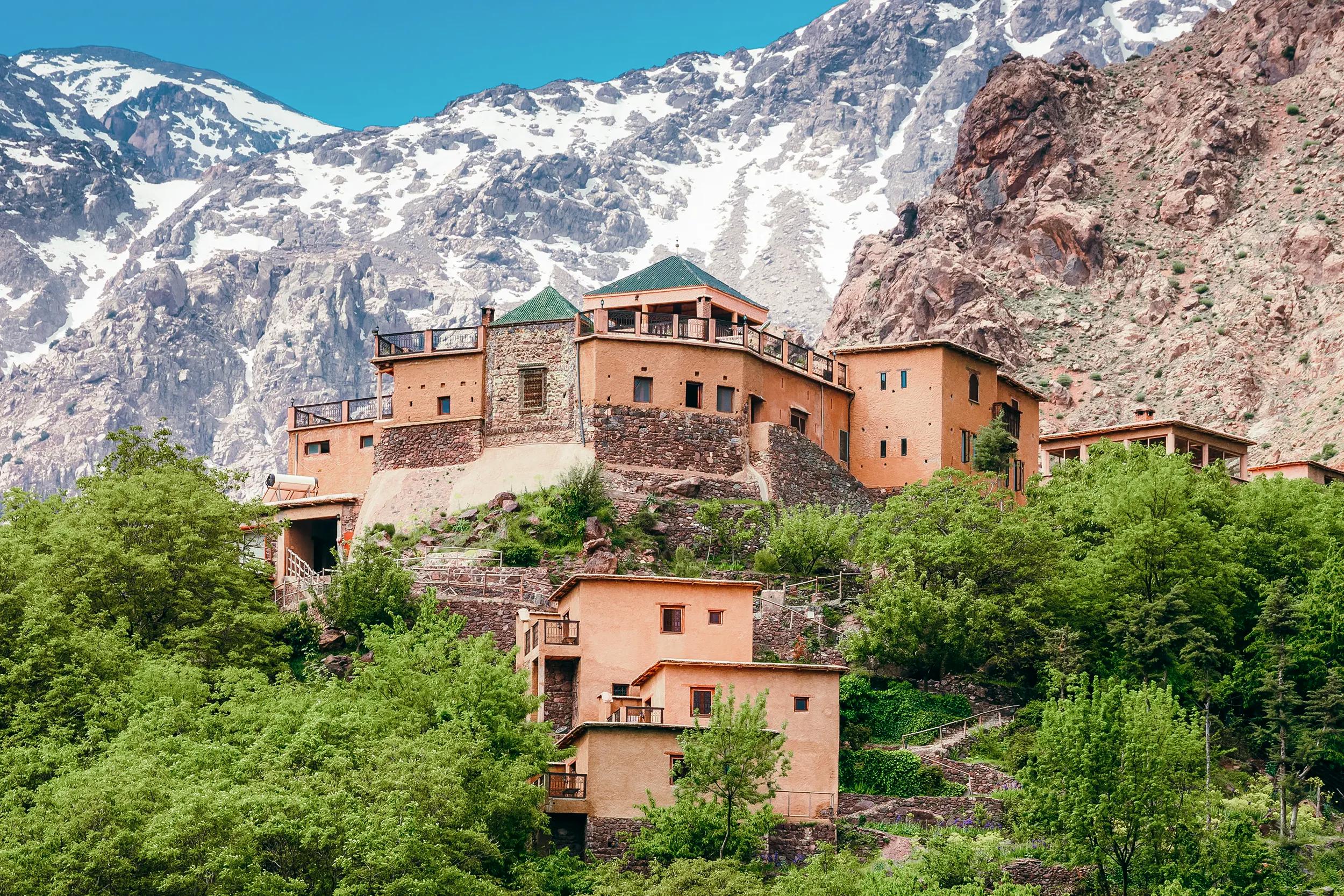
The High Atlas Mountains form Morocco’s geographic spine, rising sharply between Marrakech and the Sahara. High passes such as Tizi n’Tichka connect remote valleys where stone-built Berber villages blend into terraced hillsides shaped by centuries of subsistence agriculture. In regions such as Imlil and the Ourika Valley, life follows seasonal rhythms dictated by altitude and climate. Walnut groves, barley fields, and irrigation channels reflect a longstanding relationship between community and terrain. Journeys through the High Atlas unfold at a deliberate pace, whether through guided walks between villages, visits to local homes, or stays in mountain kasbahs overlooking broad valleys. The experience here is elemental and grounded, offering a quieter and more intimate understanding of Morocco beyond its imperial cities.
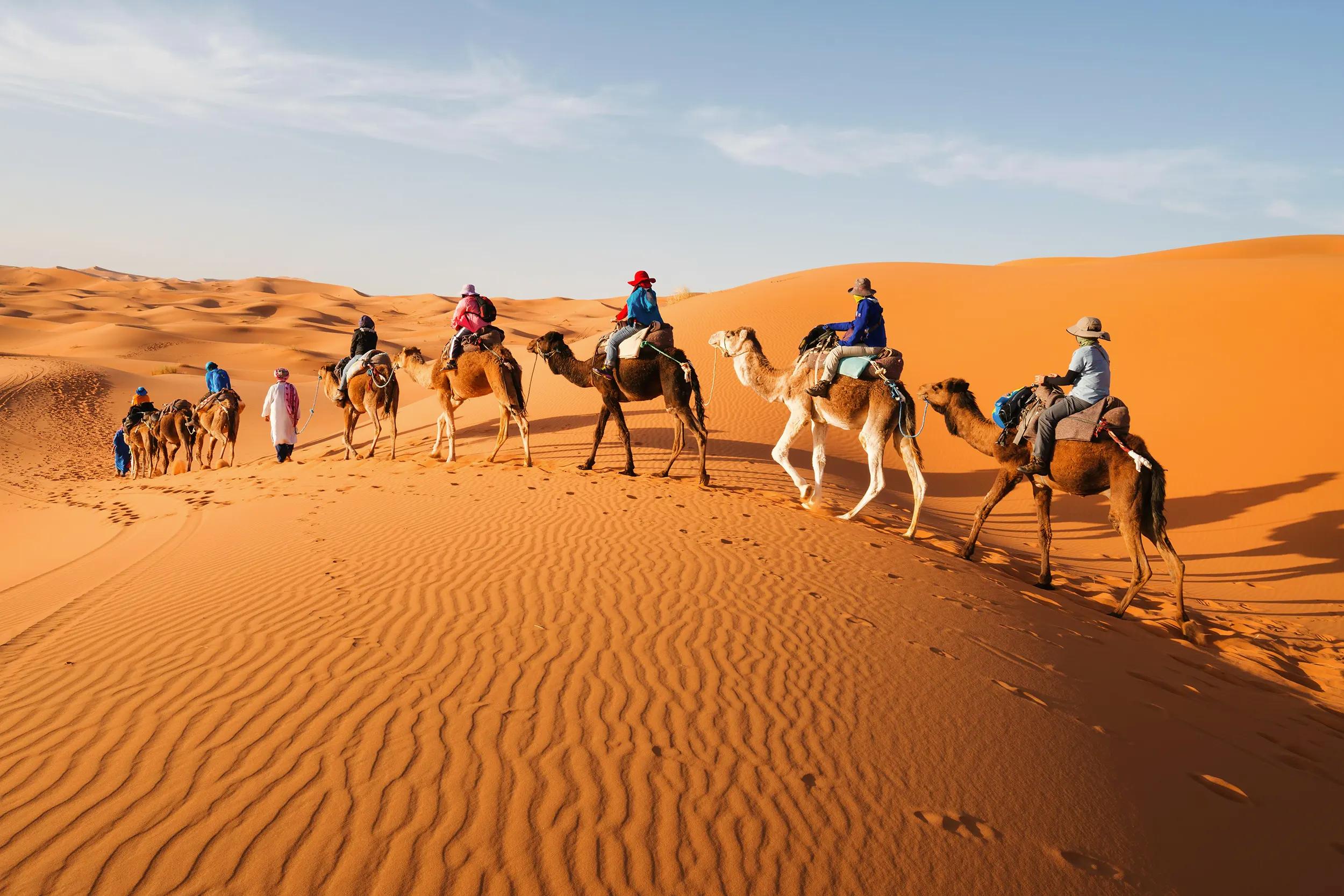
The Sahara & Southern Desert Regions
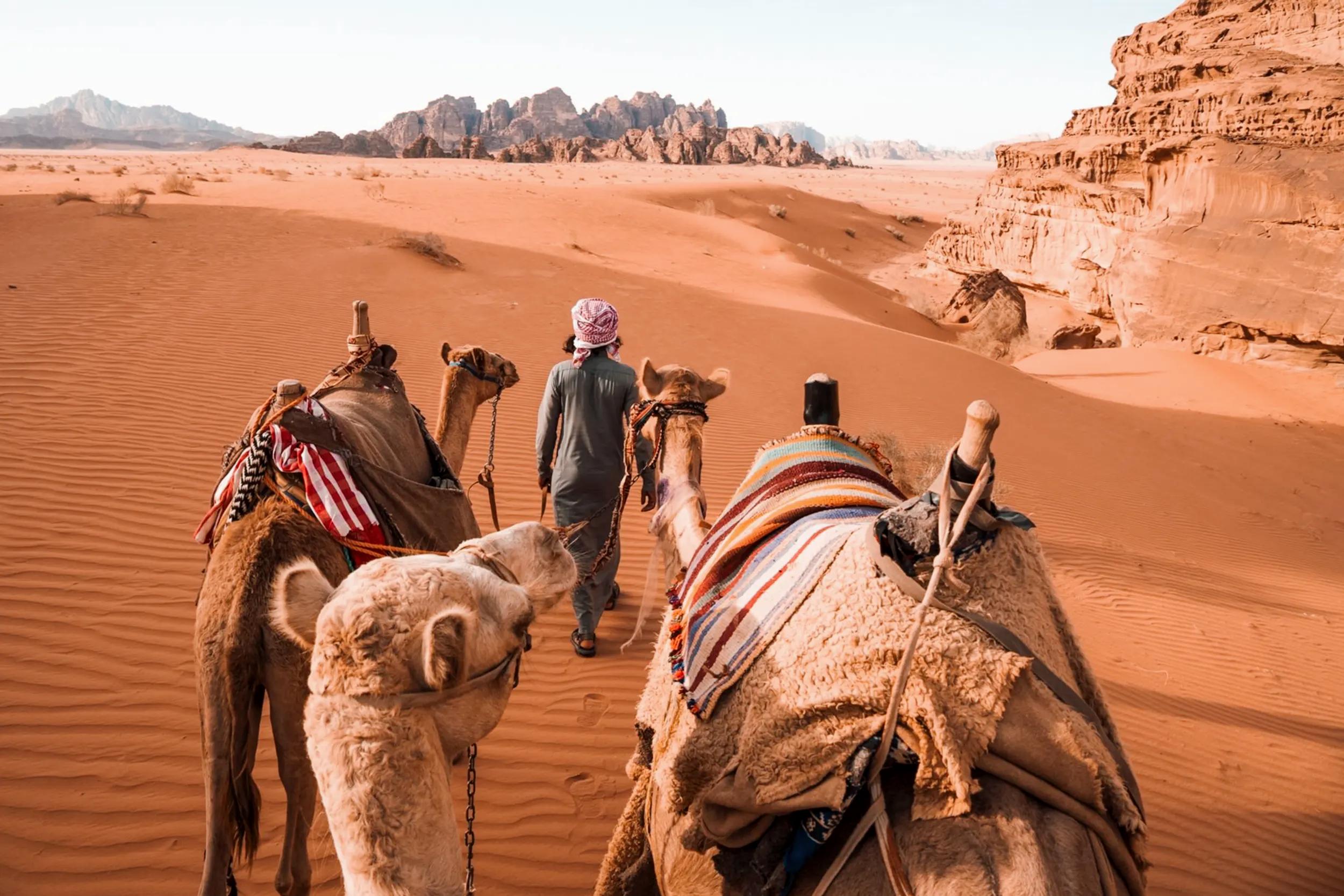
In southern Morocco, the Sahara begins gradually, first through arid plains and kasbah-dotted valleys, then through the dramatic dunes of Erg Chebbi or Erg Chigaga. The desert landscape is defined by light, silence, and scale, where sandstone outcrops and wind-sculpted dunes stretch toward the horizon. Historic settlements such as Aït Benhaddou and the Draa Valley reflect Morocco’s caravan past, when trade routes linked sub-Saharan Africa with Mediterranean ports. Fortified ksars rise from palm groves, illustrating architecture shaped by climate and commerce. Journeys into the Sahara emphasize stillness and perspective. Time is structured around sunrise and sunset, shifting shadows across dunes, and nights beneath expansive star-filled skies. The desert provides contrast to Morocco’s dense urban centers, introducing spatial clarity within a broader itinerary.
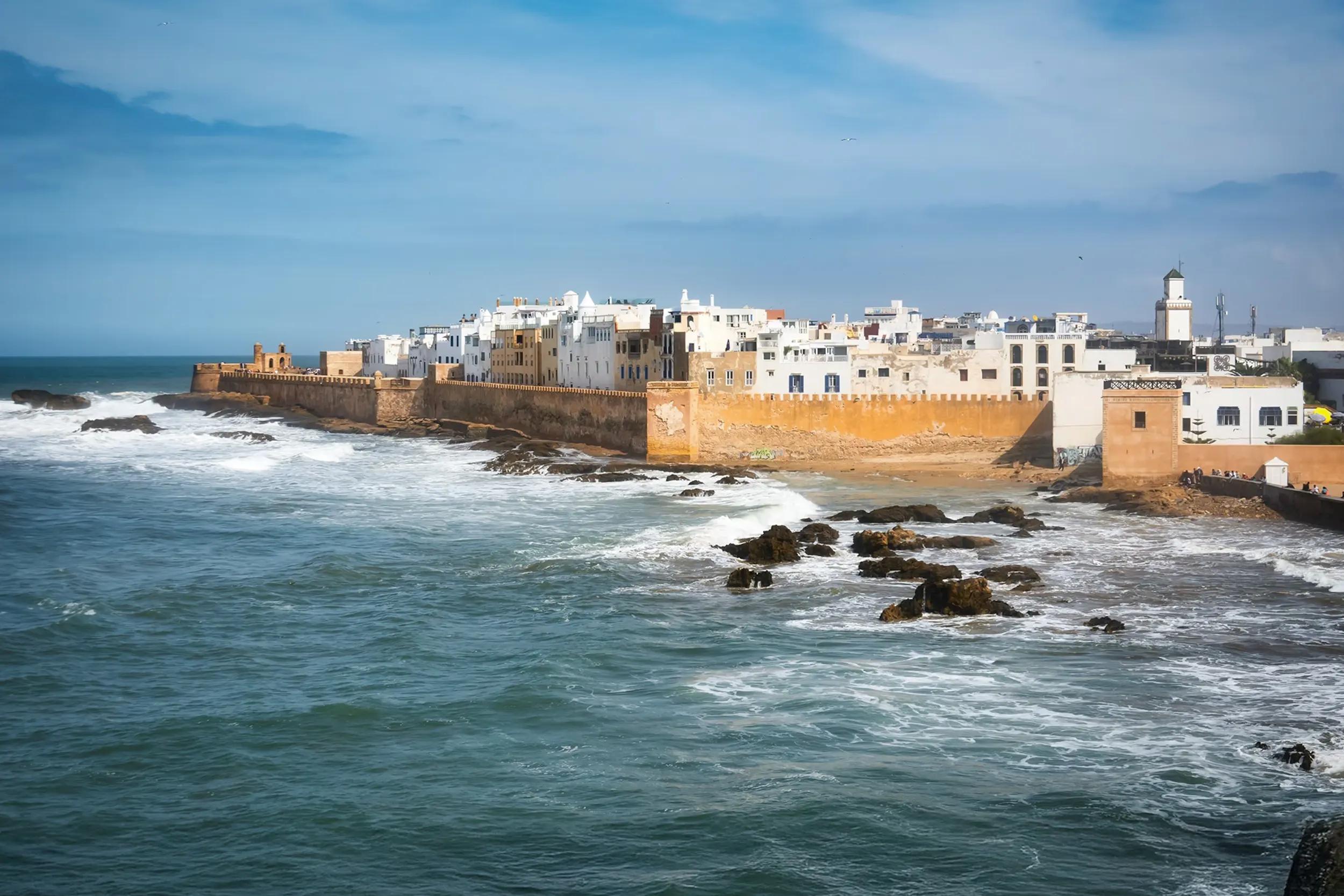
Essaouira & the Atlantic Coast
Along the Atlantic coast, Essaouira offers a softer and more contemplative rhythm. Its fortified medina, designed in the 18th century with European maritime influence, overlooks a working harbor where fishing boats line the shore. The city’s artistic community, wind-swept ramparts, and long beaches create a relaxed atmosphere distinct from inland destinations. Whitewashed walls, blue shutters, and ocean light define its visual identity. Journeys through Essaouira often serve as a reflective transition, balancing mountain and desert segments with sea air and open horizon. The coast introduces a different tempo, where time is measured less by monuments and more by tide and wind.
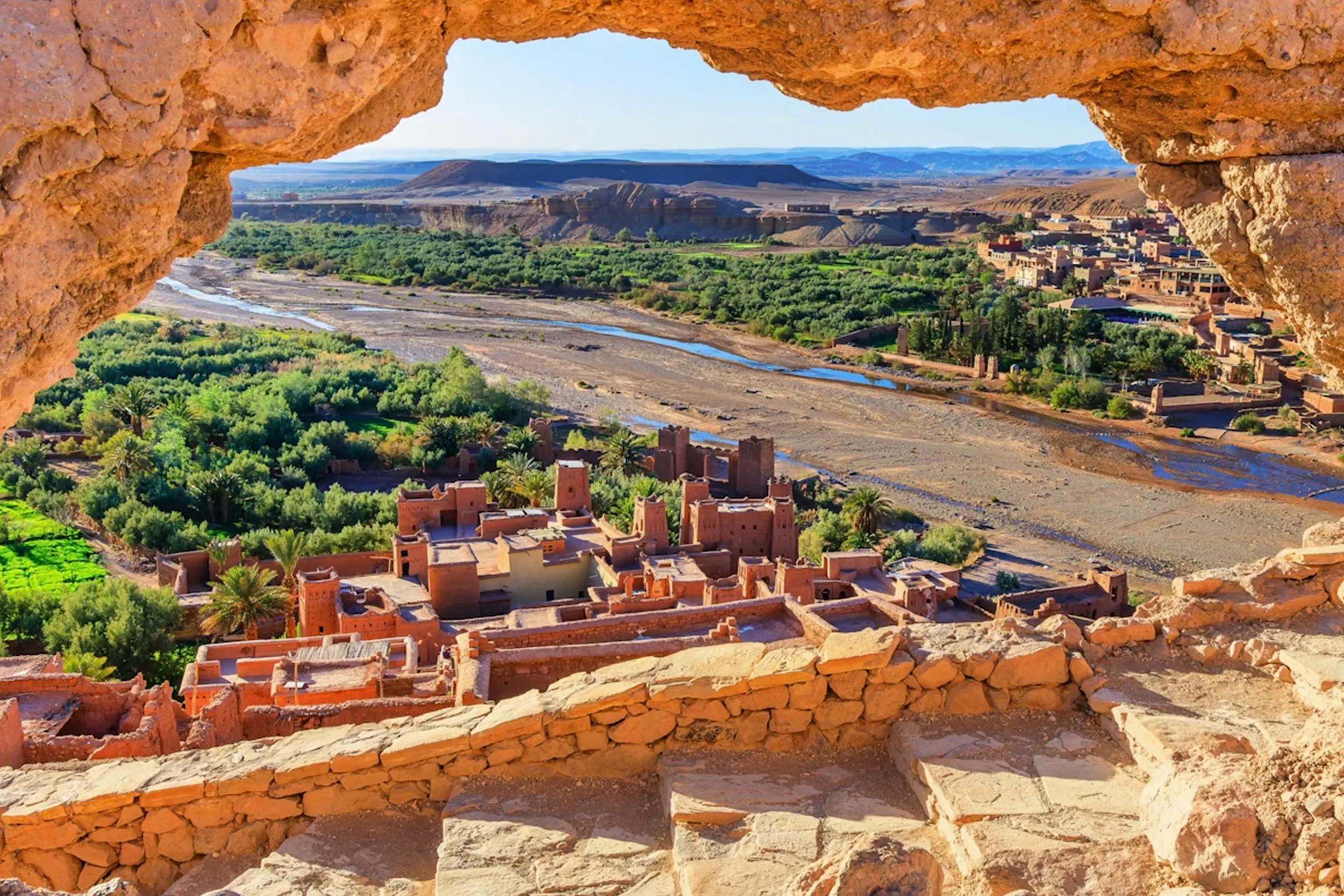
The South & Ancient Caravan Routes
Southern Morocco reveals landscapes shaped by movement and exchange. Valleys such as Dades and Todra cut through dramatic rock formations, while palm-filled oases mark historic stopping points along trans-Saharan trade routes. Kasbahs and fortified villages once protected caravans transporting gold, salt, and textiles between continents. Today, these routes provide a narrative link between Morocco’s imperial cities and its desert frontier. Journeys through this region emphasize continuity, tracing pathways that connected Africa, Europe, and the Middle East for centuries. Geography here is inseparable from history, and movement through these landscapes reinforces Morocco’s enduring role as a cultural crossroads.
Selected with intention and a sense of place
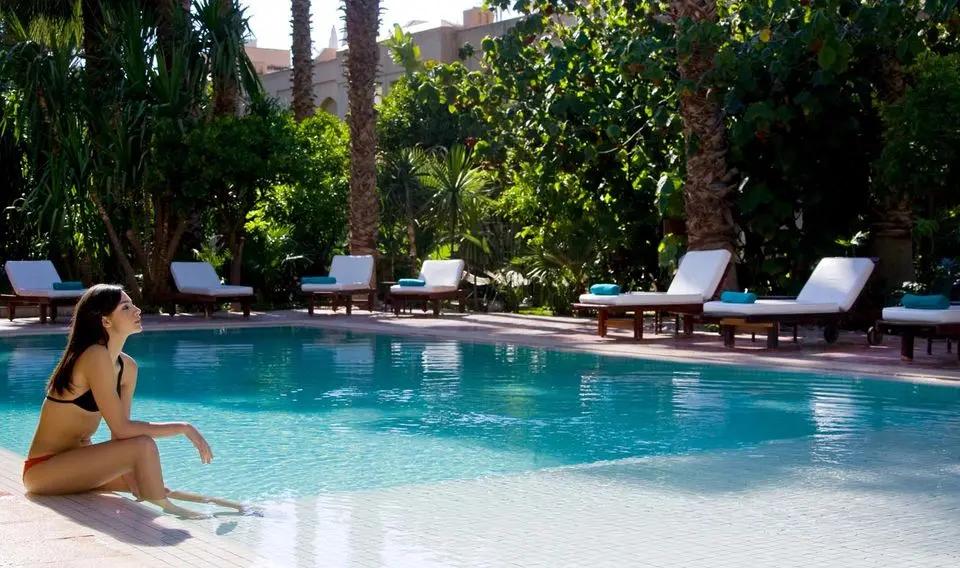
Les Jardins de la Medina
Located within the historic medina near the Royal Palace, Les Jardins de la Medina occupies a former royal residence set within gardens shaded by orange trees and palm canopies. Its position offers immediate access to Marrakech’s souks while maintaining a sense of enclosure and calm behind traditional walls. The property features thirty-six individually designed rooms and suites, each incorporating local materials such as carved wood, zellige tile, and handwoven fabrics. Courtyards, fountains, and shaded walkways create a layered interior landscape reflective of classic Moroccan riad architecture. The restaurant serves Moroccan and Continental cuisine in a garden setting, complemented by a curated wine list that includes both French and emerging Moroccan labels. An outdoor pool, spa, hammam, fitness area, and lounge complete the property’s amenities. Les Jardins de la Medina offers an authentic riad atmosphere within walking distance of the city’s most iconic districts.
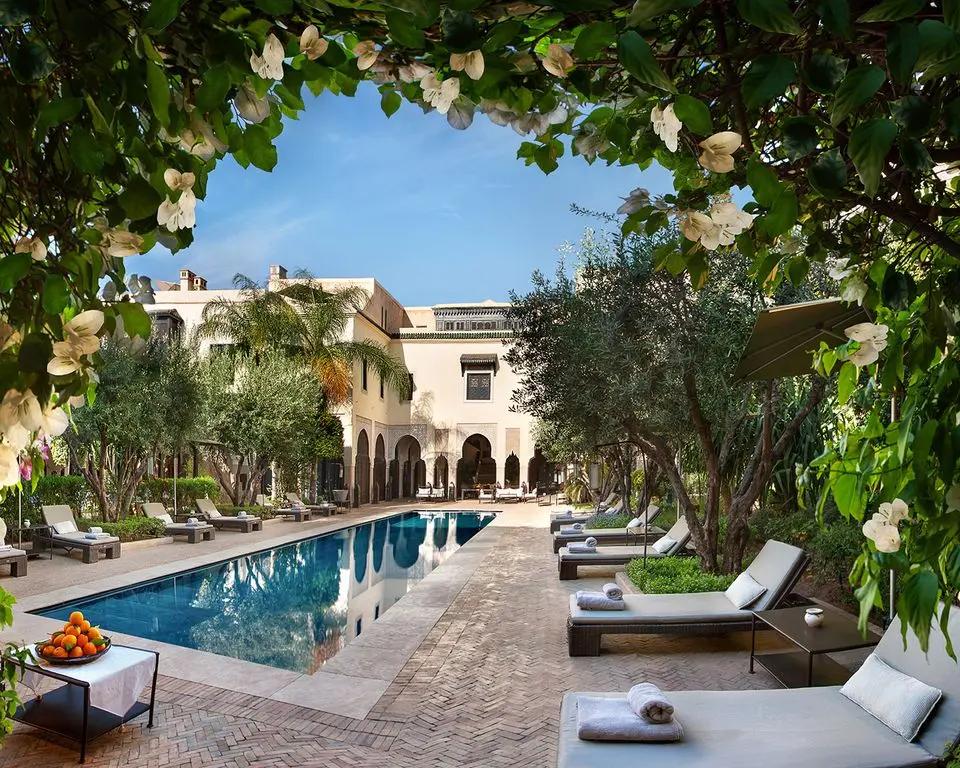
Villa des Orangers
Set within a restored Moorish-style residence near the Koutoubia Mosque and Jemaa el-Fna square, Villa des Orangers provides a refined and intimate retreat in the heart of Marrakech. Despite its central location, the property is organized around multiple inner courtyards and garden terraces that shield it from the city’s intensity. Its twenty-seven rooms and suites are oriented toward tranquil patios or landscaped gardens, decorated with understated Moroccan detailing and soft neutral palettes. The open-air restaurant serves Moroccan-inspired cuisine in a candlelit courtyard setting. Amenities include a spa with traditional hammam, rooftop and courtyard pools, and lounge spaces designed for privacy and quiet. Villa des Orangers is particularly well suited for travelers seeking a discreet and centrally positioned stay within the medina.
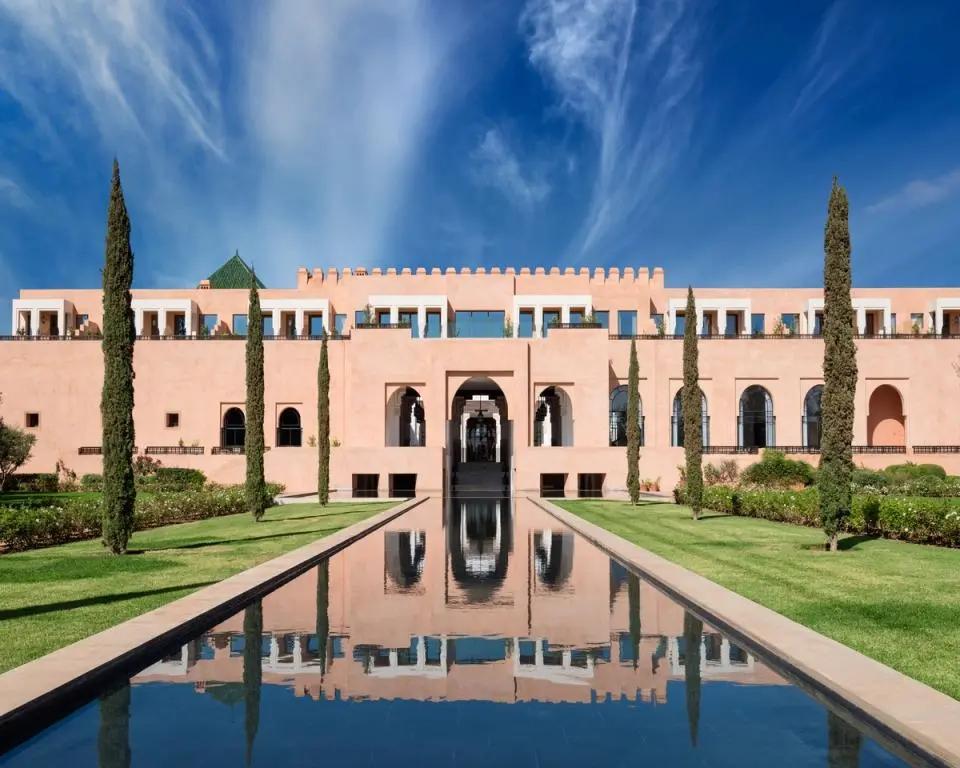
The Oberoi, Marrakech
Situated outside the historic center within landscaped gardens framed by the Atlas Mountains, The Oberoi, Marrakech interprets Moroccan palatial design through contemporary architecture. The property’s layout reflects symmetry, water features, and ornamental detailing inspired by historic madrassas and royal residences. Eighty-four rooms, suites, and private villas are designed in muted ivory and burnished gold tones, blending traditional Moroccan elements with modern comfort. Many accommodations include private pools and expansive terraces. Three restaurants offer Moroccan, Mediterranean, and Indian cuisine, complemented by indoor and outdoor pools, a spa, and wellness facilities. The setting provides spatial relief from the medina’s density while maintaining proximity to Marrakech’s cultural core.
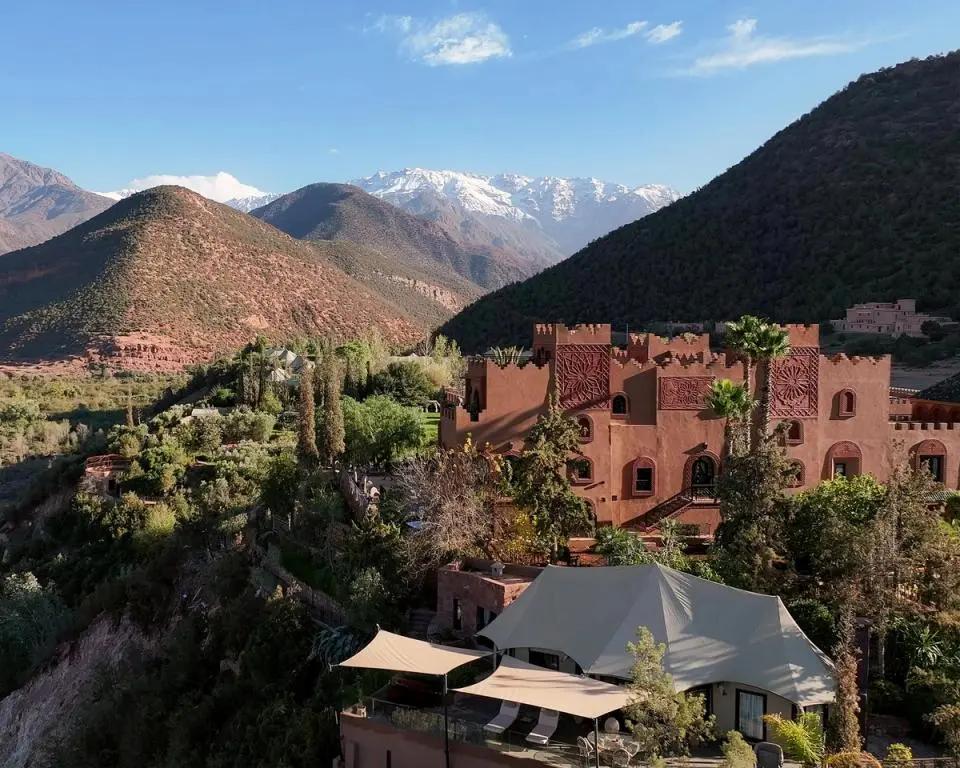
Kasbah Tamadot
Nestled within a valley in the High Atlas Mountains overlooking Mount Toubkal, Kasbah Tamadot offers a mountain retreat defined by elevation and perspective. Originally acquired and restored as a private residence, the property integrates traditional Berber architecture with curated antiques and textiles. Its twenty-eight rooms and suites reflect regional craftsmanship, while panoramic terraces frame sweeping views across valleys and peaks. Dining emphasizes locally inspired cuisine served against mountain backdrops. Facilities include an outdoor pool, spa, tennis court, and landscaped gardens that merge with the surrounding terrain. Kasbah Tamadot provides a composed transition between urban Morocco and its rural mountain landscapes.
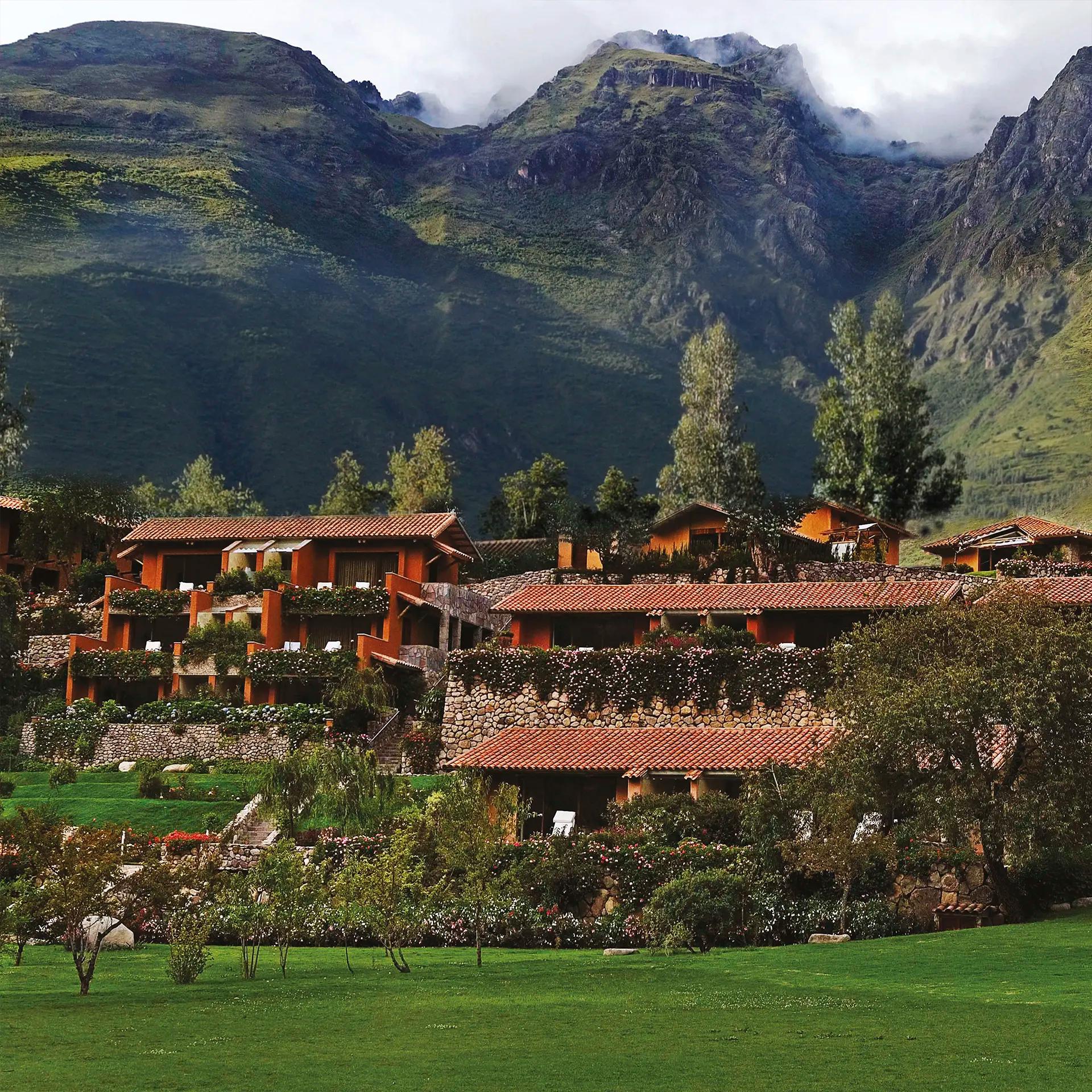
Olinto Atlas Mountain Retreat
Set within an olive grove in the Ouirgane Valley, Olinto Atlas Mountain Retreat offers a highly intimate interpretation of Moroccan mountain hospitality. The property features nine private pavilions enclosed by traditional earthen walls, each designed with intricately carved doors, mashrabiya screens, woven rugs, and lantern lighting. Private gardens, reflecting pools, and shaded courtyards create a sense of seclusion within a verdant setting framed by Atlas foothills. Two swimming pools, a rooftop terrace, kitchen garden, and spa with hammam contribute to a relaxed yet refined atmosphere. Olinto is particularly suited for travelers seeking privacy, scale, and architectural detail within Morocco’s Berber heartland.
Royal Mansour Casablanca
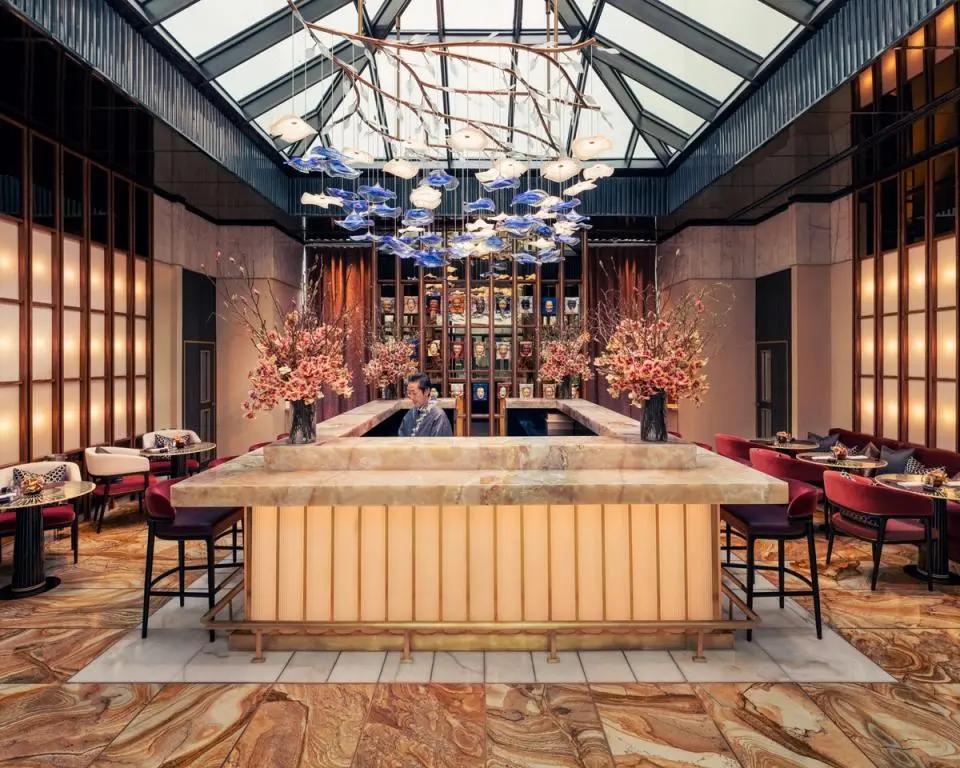
Located in the Art Deco district of Sidi Belyout, Royal Mansour Casablanca reflects mid-20th-century grandeur within Morocco’s commercial capital. Long associated with Moroccan royalty and diplomatic circles, the property blends classical elegance with urban positioning. Its 149 rooms, suites, and apartments draw inspiration from 1950s design, while three restaurants, including a brasserie led by a Michelin-starred chef, offer varied culinary experiences. A sushi bar and Moroccan restaurant complement the dining portfolio. The hotel also features a spa with traditional hammam, plunge pool, fitness center, and lounge spaces. Royal Mansour Casablanca is well suited for travelers incorporating Casablanca into a broader itinerary or beginning their journey along the Atlantic corridor.
Start planning your journey to Morocco
Whether you are drawn to imperial cities, mountain landscapes, or the stillness of the desert, our team is ready to design an experience through Morocco shaped entirely around your vision.